
Tactics
5 Tips for Early Dove Season Success
August 27, 2026 •Doug Howlett
September 1, 2026
iSportsman Staff
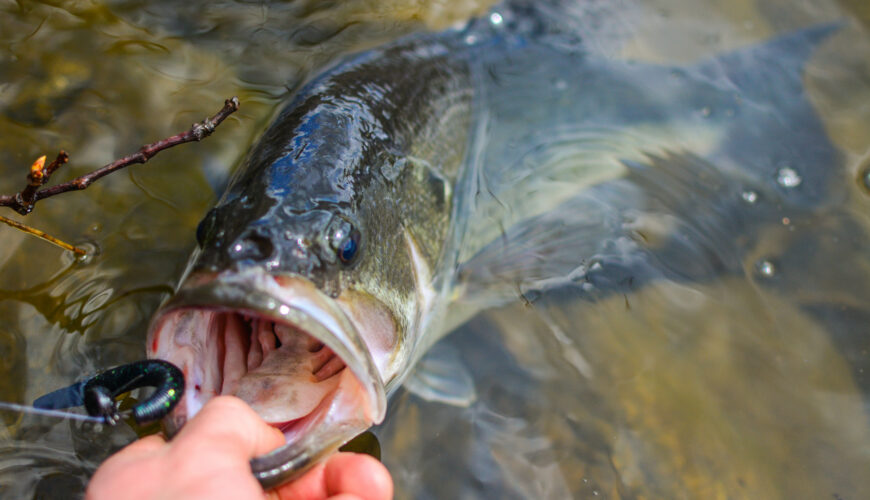
There are days when bass seem determined to make an angler question every lure in the boat. The fish are there, you know they’re there, but crankbaits, spinnerbaits and even trusty soft plastics come back untouched. That’s a good time to start drop shotting.
Once thought of primarily as a deep-water finesse technique, drop shotting has become a versatile way to catch largemouth, smallmouth and spotted bass in everything from clear reservoirs to rivers and shallow cover. The rig excels when fishing gets tough because it allows anglers to put a relatively small, natural-looking bait in front of a bass and keep it there.
In a recent Virginia Department of Wildlife Resources article, Hunter Campbell looks specifically at applying the technique to Virginia waters, including lakes and rivers where the drop shot can be particularly effective. However, this is a technique that can work in virtually any bass waters.
Most soft-plastic bass rigs put the weight ahead of or alongside the bait. With a drop shot, the order is reversed. The hook is tied onto the line and the sinker hangs below it. That leaves the bait suspended above the bottom rather than sitting directly on it.
It sounds like a minor difference, but it gives an angler exceptional control over where the bait stays in the water column. Once the sinker hits bottom, subtle movements of the rod tip can make the plastic twitch and quiver while barely moving it forward. That can be deadly on bass that aren’t interested in chasing dinner.
There’s nothing especially complicated about a drop shot. A light hook is tied directly to the line, leaving a tag end below it for the sinker. A small soft-plastic worm, minnow or similar finesse bait is then attached to the hook. Spinning tackle is generally the easiest setup for fishing the light line and relatively small baits associated with the technique. A sensitive rod also helps distinguish a soft bite from the sinker simply bumping a rock or branch.
Weight selection is a balancing act. You need enough to maintain contact with the bottom, but not so much that the rig loses the finesse that makes it effective. Deeper water, wind and current typically call for additional weight. The distance between hook and sinker can also be changed. Shorten it when bass are tight to the bottom or extend it when fish are holding higher.
All three rigs can catch bass when the bite gets difficult, but they don’t present a bait the same way.
A Texas rig is designed primarily to move a soft plastic along or through cover. It’s an excellent choice for probing brush, vegetation, timber and other places where a weedless presentation is important.
A Ned rig puts a small plastic directly on a jighead and typically keeps the offering close to the bottom. It can be crawled, hopped, dragged or allowed to sit.
The drop shot separates the bait from the weight, allowing the plastic to remain above the bottom while the sinker maintains contact below. That makes it especially useful when bass are suspended slightly above structure or simply refuse to pick something directly off the bottom.
It isn’t necessarily better than the other rigs. It simply solves a different problem.
Drop shotting is often associated with dropping a bait directly beneath a boat after finding bass on electronics. That’s certainly one of its strengths, particularly around isolated rocks, brush piles or deep structure. But don’t assume you have to be sitting directly over the fish.
A drop shot can also be cast beyond a point, weed edge, dock, submerged tree or other likely holding area and slowly worked back. Some anglers use it almost as a finesse search bait, moving it enough to cover water but pausing whenever the rig reaches promising structure. The technique can therefore work for boat, kayak and shore anglers alike. Its versatility extends from shallow water to substantial depths, with adjustments to weight, hook style and leader length allowing anglers to adapt the basic rig to different situations.
Perhaps the biggest mistake new drop-shot anglers make is shaking the rod as though they’re trying to frighten the fish into surrender. You usually don’t need much movement.
Once the sinker contacts bottom, maintain enough tension to stay connected to the rig and add occasional, subtle twitches. The soft plastic will move much more than the rod tip suggests. Sometimes doing almost nothing works best. That’s particularly true after a cold front, on heavily pressured water or when bass have settled around a specific piece of cover and aren’t roaming far to feed. And watch the line. A drop-shot bite isn’t always the unmistakable thump bass anglers hope to feel. Sometimes the line moves sideways. Sometimes the rig simply feels heavier. If something changes, it’s worth finding out why.
Virginia offers plenty of opportunities to experiment with the technique. Campbell points to Smith Mountain Lake and Lake Anna, as well as deeper portions of the James and Shenandoah rivers, as places where Virginia anglers can put drop shotting to work. He also notes that bait selection can be matched to local forage, with baitfish-style plastics useful on lakes containing shad and crawfish or creature profiles worth considering in river systems.
That forage-matching approach makes sense anywhere. Rather than getting hung up on one supposedly magical drop-shot worm, consider what bass are actually eating and choose a compact plastic that resembles it. Drop shotting probably won’t replace the excitement of a topwater strike or the satisfaction of ripping a crankbait through shallow cover. It isn’t supposed to. It’s simply another tool.
But when bass stop cooperating, fishing pressure increases or you find fish sitting stubbornly around deep structure, it can be one of the most useful tools you have.
For additional Virginia-specific rigging recommendations, bait suggestions and fishing locations, read Hunter Campbell’s full “Drop Shotting in Virginia” from the Virginia Department of Wildlife Resources, Read “Drop Shotting in Virginia”.
June 1, 2026 •John N. Felsher