
Tactics
Drop Shotting for Bass: A Finesse Rig Worth Learning
September 1, 2026 •iSportsman Staff
August 25, 2026
iSportsman Staff
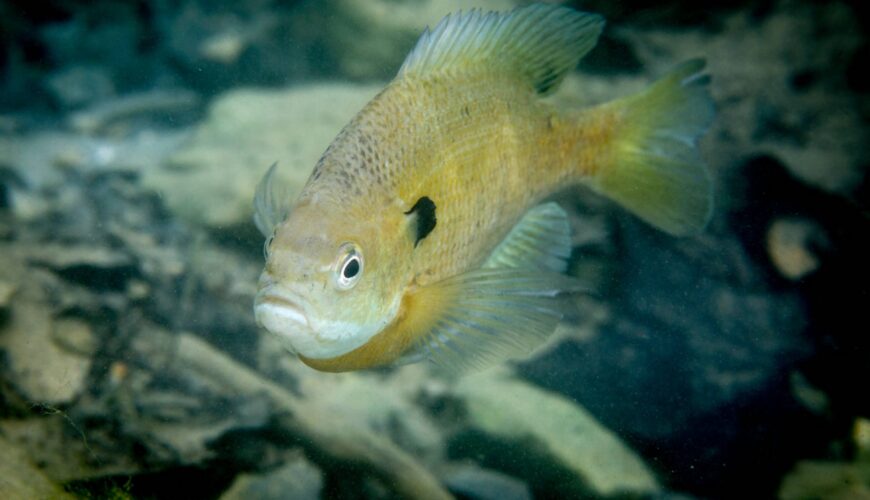
Bluegills may not command the attention of trophy largemouths, stripers or trout, but pound for pound—or perhaps ounce for ounce—they’re among the most entertaining fish swimming in many freshwater lakes around the country.
They’re abundant, aggressive, willing to bite and found just about everywhere, from farm ponds and reservoirs to rivers and streams. Throw in closely related redear sunfish, commonly called shellcrackers, and colorful pumpkinseeds, and anglers have plenty of opportunities for fast action throughout much of the year.
Better yet, you don’t need a boatload of expensive gear to catch them.
In “Bluegills Three Ways,” Virginia outdoor writer Gerald Almy breaks down three of the most effective approaches for putting these popular panfish on the line: artificial lures, fly fishing and live bait. His advice, published by the Virginia Department of Wildlife Resources, covers everything from tiny plastic grubs and spinners to rubber spiders, worms and crickets.
For anglers who prefer casting, one of the biggest keys to consistently catching bluegills is keeping lures small. Bluegills have relatively tiny mouths, so oversized offerings can quickly take you out of the game.
Almy recommends small soft-plastic grubs rigged on light jigheads as one of the most dependable choices. Short, compact plastics approximately an inch long imitate many of the aquatic insects and other small creatures bluegills commonly feed on. Slow, steady retrieves are generally effective, and suspending a tiny jig beneath a float can help when fish are sluggish or holding deeper.
Small spinnerbaits such as Beetle Spin-style lures add flash and vibration, making them especially useful in stained water or when fish are actively feeding. Tiny inline spinners can also produce, particularly when retrieved slowly enough to keep the blade turning without racing the lure past the fish.
There’s even a place for miniature Carolina rigs. Small plastics trailing behind a light sinker can flutter naturally above the bottom and tempt bluegills in clear or heavily pressured water. And, as anyone who has fished light tackle for panfish knows, there’s always the chance something much larger will decide your tiny offering looks good enough to eat.
A light spinning rod in roughly the 5½- to 6½-foot range matched with 4- to 6-pound line will handle most of this fishing while still allowing a good bluegill to put a respectable bend in the rod.
Bluegills are also tailor-made for fly fishing.
Their diet includes a healthy dose of insects, and when fish move shallow—particularly around spawning time—they can provide excellent opportunities for surface action.
Small sponge spiders are among the classic bluegill flies, along with terrestrial patterns that imitate ants, beetles, crickets and grasshoppers. When bluegills won’t rise, wet flies and nymphs can be worked beneath the surface.
Finding fish can be as straightforward as locating shallow spawning beds, but anglers should also probe weed edges, dock pilings, stumps and other cover. With topwater flies, patience can pay off. Allowing the fly to sit motionless before giving it an occasional twitch often draws a strike from a fish inspecting the offering from below.
Fly fishing for bluegills also has another advantage: It provides plenty of action without requiring trout-stream precision or specialized tactics, making panfish a great way for newcomers to get comfortable with a fly rod.
Of course, sometimes there’s no reason to overcomplicate things.
A small hook, bobber and lively piece of bait remain among the most reliable ways ever devised to catch a bluegill.
Garden worms, red wigglers and pieces of nightcrawler all work, but Almy points to crickets as one of the best bluegill baits available. Rig one beneath a float with a small split shot to get it down, cast near cover or bedding fish and keep an eye on the bobber.
It’s simple fishing, but that’s part of the appeal.
Live-bait fishing is particularly well suited to children, beginners or anyone who simply wants a relaxing afternoon with plenty of bites. A light spinning outfit works fine, but anglers fishing close to shore or shallow cover can also have a blast using an old-fashioned cane pole.
And there’s something about watching a bobber twitch, slide sideways and suddenly disappear that never really gets old—whether you’re 8 years old or 80.
Bluegills might be humble compared with some of Virginia’s more celebrated gamefish, but their availability, willingness to bite and versatility make them a fish worth targeting rather than merely catching by accident. Whether you cast tiny artificials, break out the fly rod or keep things simple with a cricket under a cork, an afternoon chasing bluegills can deliver more action than many supposedly more glamorous species.
For specific lure sizes, colors, tackle recommendations, fly patterns, rigging tips and presentation techniques, read Gerald Almy’s complete “Bluegills Three Ways” at the Virginia Department of Wildlife Resources.
June 1, 2026 •John N. Felsher