
Tactics
Drop Shotting for Bass: A Finesse Rig Worth Learning
September 1, 2026 •iSportsman Staff
April 15, 2026
iSportsman Staff
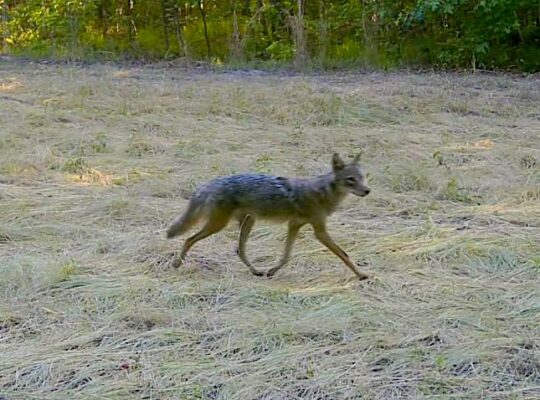
Trail cameras often get shut off or boxed up when deer season ends—but that habit leaves a lot of useful intel on the table. While most trail cam content leans heavily toward fall whitetails, spring offers just as much opportunity, especially for turkey hunters looking to pattern birds, locate roosts and understand movement before opening day or throughout the season. That’s where Stealth Cam steps in. Known for their lineup of hunting trail cameras, the company is highlighting how keeping cameras running through the spring can sharpen your scouting, improve property management and give hunters an edge long before the first gobble echoes through the woods.
Many hunters and land managers tend to pull their trail cameras at the end of the season, deactivate the cellular functions, and store them away until the next deer season approaches. Unfortunately, this practice often results in missing out on a wealth of crucial information that could be captured during the spring months. In this article, we will explore the benefits and uses of operating trail cameras in spring. Additionally, we’ll cover how many cameras you might need to effectively monitor a property, optimal placement for these cameras, and best practices to keep them operational throughout the spring.
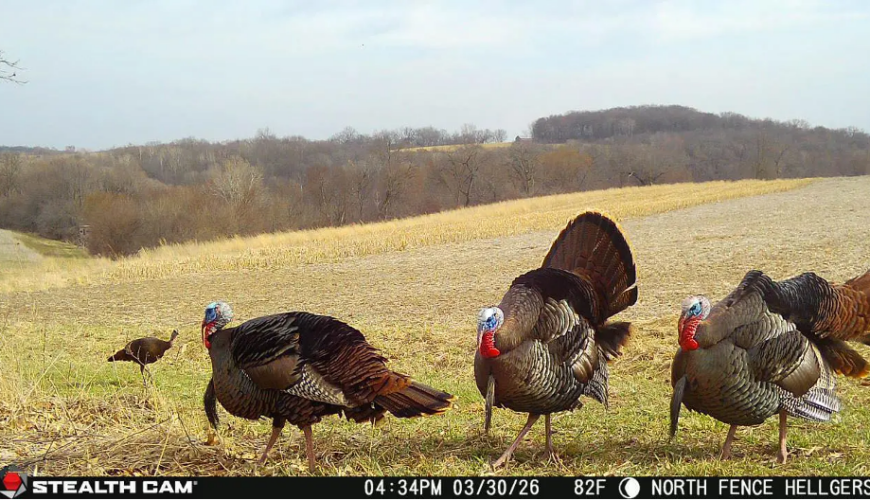
Many deer hunters are also avid turkey hunters, and trail cameras can be an invaluable tool for enhancing success each spring. Whether on new or familiar terrain, these cameras can reveal turkey patterns, pinpoint roosting and feeding areas, and track travel routes. Additionally, trail cameras provide essential data to land managers about the turkey population and flock health. By utilizing trail cameras, insights into turkey numbers, nesting success, and brood survival can be systematically gathered.
Gathering year-round data on your local deer herd is crucial for hunting success. Monitoring herd health is a year-long commitment, and trail cameras are invaluable in this task. Spring, a critical recovery period for deer post-winter, is an ideal time to assess physical conditions, track buck antler growth, count deer populations, and observe fawn births. This vital information aids land managers and hunters in making informed decisions regarding food plot enhancements, harvest quotas for the upcoming season, and the need for increased predator control.
Trail cameras are often underutilized by hunters and land managers, yet they offer extensive flexibility for a variety of tasks, making them a valuable investment. For instance, the arrival of spring also marks the morel mushroom season. Morels are highly sought-after by outdoor enthusiasts and can fetch over $50 per pound due to their limited availability. This popularity often leads to increased trespassing on private lands during the spring. In these situations, trail cameras not only help monitor these areas but their presence can also deter potential trespassers. Additionally, for the trespassers undeterred by cameras, the ability to capture photos or videos with time and date stamps can be crucial for landowners and law enforcement in identifying and prosecuting these individuals.
Furthermore, trail cameras can assist in other land management tasks such as prescribed burns and controlling invasive species, particularly on remote properties that cannot be frequently visited by the landowner. These activities are time-sensitive, often depending on short windows when conditions are optimal. For example, bush honeysuckle, a pervasive invasive plant, is most vulnerable to herbicides early in the spring when it greens up before most other vegetation. During this period, while other plants remain dormant and unaffected, trail cameras can help landowners identify the precise timing to initiate treatment, ensuring effective control.
The number of cameras that are needed to effectively cover your property throughout the spring months depends on a lot of factors. A ratio of one camera per every 5 to 20 acres is often a good baseline, allowing for comprehensive coverage. Some important things to consider while deciding on the number of cameras you need are the size of your property and the type of terrain, the amount of spring wildlife activity, as well as the general make-up of your property. For instance, if you have an 80-acre property with 20 acres of cover and the rest tillable, one camera per every 5 acres of cover would be recommended as a good starting point.
As you combine your boots on the ground scouting efforts with data from your trail cameras, you’ll begin to find new opportunities for placing additional trail cameras and can continue to expand your trail camera network over time.
Deciding where to place your trail cameras involves several factors, with the intended use of each camera being the most critical. For wildlife monitoring, it’s effective to place cameras in areas where animals frequently bed, feed, and travel. Additional strategic locations include any scarce resource that might attract wildlife, such as water sources or limited food supplies. If the primary purpose is to monitor for trespassers, cameras should be positioned in easily accessible entry points or in areas likely to attract trespassers, such as a favored mushroom gathering spot. If these strategic locations are unclear, deploying more cameras and broadening the coverage area can help ensure you effectively monitor the most important areas of your property.
Springtime presents unique challenges for trail camera users, unlike those encountered during fall and winter. Rapidly growing vegetation, both on the ground and in the tree canopy, and increased insect activity can complicate camera use. Ground vegetation can trigger false camera activations and reflect flash, resulting in poor-quality images. However, these issues are manageable. Using a string trimmer or applying a non-selective herbicide can clear vegetation in front of the camera, preventing regrowth for much of the season. The string trimmer is especially popular and has the added benefit of attracting curious animals. Additionally, the denser tree canopy can hinder the effectiveness of solar panels, which perform best in full sunlight. While finding a sunny spot is ideal, it’s not always feasible for optimal monitoring. In such cases, using a solar panel with an integrated battery, like the Stealth Cam Solar Battery Pack, can significantly extend battery life, even in semi-shaded areas.
The external battery and solar panel combos may seem expensive at first, but they quickly pay for themselves, and are not something that gets thrown away like AA batteries do. Many Stealth Cam solar battery pack options cost approximately the same as a few sets of 16 name brand lithium AA batteries, making them an easy investment for year-round trail camera use. Shop Solar Battery Packs.
Trail cameras are extremely versatile and can be used for a multitude of tasks to assist hunters, landowners, land managers, and the like. Don’t get stuck just using your trail cameras for the traditional purposes, try thinking outside of the box and let your trail cameras do more work for you!