
Gear
Princeton Tec’s Ghost X Tactical Headlamp
June 18, 2026 •iSportsman Staff
January 26, 2026
Brad Fenson
Processing your own wild game at home is easier than most hunters think, and there’s no better way to learn than to roll up your sleeves and give it a try. Books and videos can help, but real experience comes from hands-on practice and watching others who’ve done it before. With more hunters embracing the field-to-table lifestyle, doing your own butchering has become both rewarding and practical. The money you save can go toward better gear or another tag in your pocket next season.
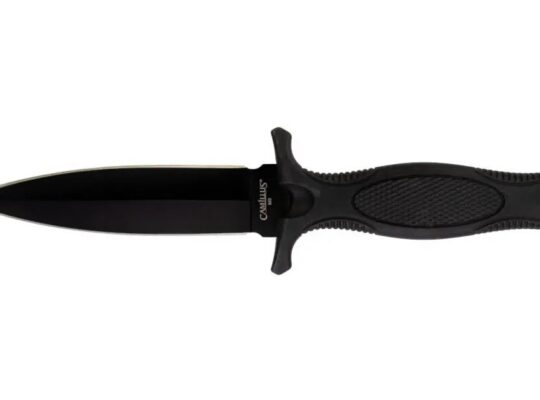
The first tool you’ll need is a good boning knife. It’s the heart of the operation and the one thing I won’t cut a deer, moose or elk without. A proper boning knife has the correct width and strength to work around bones cleanly and safely. Fillet knives are too flexible for big game and dull quickly when used against bone. A good boning knife will glide along the bone and leave almost no meat behind. Once you get the hang of it, a drop-point or curved blade makes long cuts easier, especially when removing backstraps, tenderloins and leg meat. Keep your knife sharp and always keep a steel or sharpener handy. A dull knife is slow, unsafe and frustrating, while a sharp knife turns butchering into smooth, efficient work.
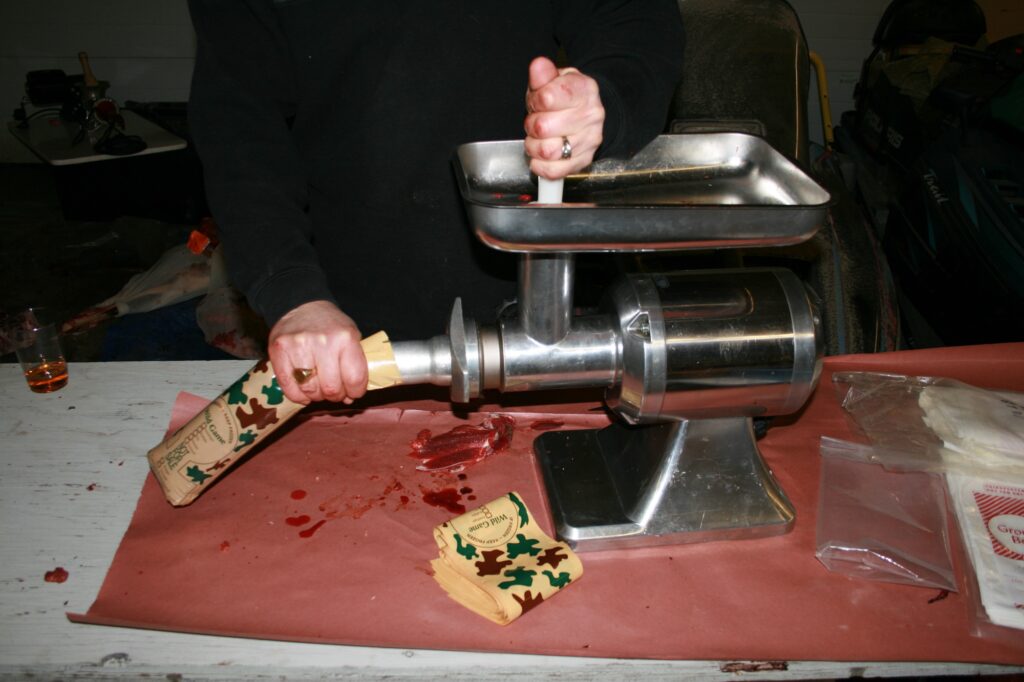
Ground meat makes up a big part of every harvest so a quality grinder is critical equipment to have. Brad Fenson Photo
A grinder is the next essential. Ground meat makes up a big part of every harvest, and grinding it yourself gives you control over quality and texture. Trim from the neck, shoulders, and legs becomes perfect for ground meat or sausage, and the grinder ensures none of it goes to waste. A dull grinder blade will mash and tear the meat instead of slicing it, leaving chewy bits of sinew that ruin texture. Keep the blade sharp and experiment with different plates. A coarse grind works best for venison since it’s already tender, while moose and elk can handle a finer grind. Hand grinders will get the job done if you’re patient, but a one-horsepower electric model makes quick work of large animals. If the cost feels steep, consider splitting one with a buddy. Burger bags or tubes make storage easier and extend freezer life, especially if you freeze them standing upright before stacking.
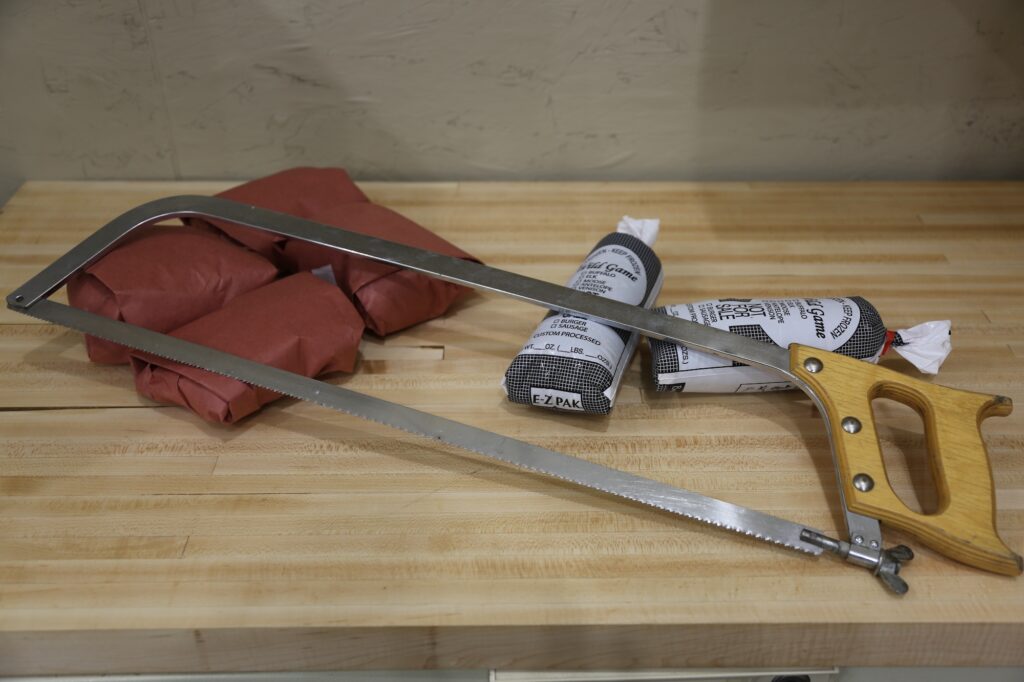
A saw helps divide the carcass into manageable pieces. Brad Fenson Photo
Meat tubs might not sound important, but they keep your workspace organized and sanitary. Use one tub for trim going into the grinder and another for prime cuts waiting to be wrapped. Food-grade tubs are easy to clean and built to handle hot water for proper sterilizing. Once you start making sausage or jerky, you’ll use them for mixing and seasoning, too.
You’ll also want a bone saw. Specific cuts, like shanks, ribs, and chops, require a saw to break down properly. Shanks, for example, are often wasted, but when sliced into one-inch rounds and braised slowly, they become tender, flavorful meals. A saw also helps divide the carcass into manageable pieces. A hand saw works fine for most home butchers, but a reciprocating saw fitted with a bone blade makes quick work of even the largest game. Be sure to avoid cutting through hair, as it dulls the blade.
Proper wrapping is the final touch that protects your hard work. The goal is to eliminate air pockets, since air draws moisture from the meat and causes freezer burn. Waxed butcher paper is ideal, but adding a layer of plastic wrap or using a vacuum sealer can help even more. Keep light away from the meat and label everything clearly. A well-wrapped package of venison should look as good coming out of the freezer as it did going in.
There’s one more tool every home butcher should have, and that’s a propane torch. It’s the easiest way to deal with stray hair on a carcass. Singeing off hair might not smell pleasant, but it’s far better than finding one on your steak. Commercial processors use the same method for a clean finish. Follow up with a quick wipe using a paper towel, and your meat will look professional. A stiff nylon brush is also handy for brushing away dried hair or debris before cutting.

Waxed butcher paper is ideal for protecting your meat, but adding a layer of plastic wrap or using a vacuum sealer can help even more. Brad Fenson Photo
Once your meat is packaged, take a little extra time to organize your freezer. Cloth grocery bags are great for separating steaks, roasts, and burger. They don’t crack in the cold, making it easy to grab exactly what you need without digging through piles of frozen packages.
Butchering your own game isn’t just about saving money; it’s about connection. It teaches respect for the animal and pride in the process. With the right tools and a bit of practice, you’ll turn every hunt into a year’s worth of great meals, and there’s no better reward than that.
June 16, 2026 •iSportsman Staff
June 10, 2026 •iSportsman Staff