
Tactics
How to Make a European Skull Mount
March 2, 2026 •Brad Fenson
December 17, 2025
iSportsman Staff
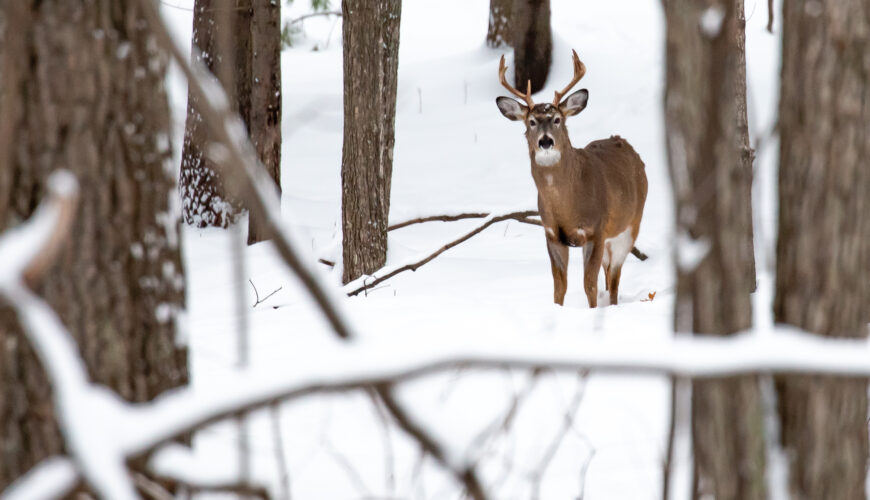
Late season deer hunting is when effort matters most. Movement slows, pressure adds up and mistakes get magnified. According to National Deer Association (NDA) staff, success now comes from discipline, adaptability and understanding how deer respond to pressure, food and cover once the rut is over.
Here are five late-season tips they say matters most as the final weeks of deer season close in.
Late season is no time to ease up notes NDA CEO and President Nick Pinizzotto. Treat every hunt like the odds are stacked against you and commit fully. That means planning for wind, setting multiple stand options ahead of time and sticking out sits even when conditions are miserable. Post-rut bucks are still killable, but only if you hunt with purpose and refuse to cut corners when fatigue and cold set in.
NDA Director of Hunter Recruitment Elizabeth Kligge recommends still-hunting hardwoods when a dominant food source is hard to pin down. On big public tracts, especially oak forests, deer may be scattered. Instead of waiting on movement that may never come, she advises slowly moving along the edge or even through likely bedding areas such as wetland thickets or timber cuts surrounded by mast, even during midday. Quiet movement and patience can put hunters inside bow or rifle range when deer least expect it.
Pressured, post-rut bucks prioritize security as much as calories NDA Chief Conservation Officer Kip Adams reminds hunters. While food remains important, mature bucks often stage in thick cover and don’t step into open food sources until dark. Adams recommends setting up between bedding cover and food, especially in high-pressure areas, to intercept daylight movement as bucks stage up before making their nocturnal entrance to a field or plot.
NDA Director of Communications Brian Grossman stresses the difference between food sources and active food sources. Late-season deer are focused on refueling, but hunters need to look for fresh sign, not just attractive habitat. On public land, Grossman focuses on native foods like red oak acorns that linger, greenbrier, honeysuckle and woody browse near young forest cover. Tracks, droppings and heavily browsed vegetation will tell you where deer are feeding right now.
Late-season success hinges on understanding pressure explains NDA Chief Communications Officer Lindsay Thomas Jr. Deer don’t disappear, they relocate. Areas hunted heavily early and often become avoidance zones, pushing deer into overlooked pockets. Thomas advises studying where hunters have been and deliberately hunting where they haven’t, especially if those spots include cover, travel corridors or food. Fresh setups in lightly pressured areas often produce daylight movement others assume no longer exists.
To get the full insight and strategies from these NDA experts, read the full article here.
January 9, 2026 •Guest Contributor